
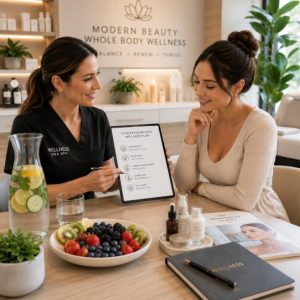
 Medical spas have changed significantly over the past several years. While they were once known primarily for cosmetic procedures and anti-aging treatments, many modern medical spas now focus on a broader and more wellness-centered approach to care. Today’s clients are often looking for more than temporary aesthetic improvements. Many want support that helps them feel healthier, less stressed, more confident, and more balanced overall.
As a result, many medical spas are shifting toward holistic care models that combine beauty services, wellness support, lifestyle guidance, and self-care practices into a more complete experience. This approach, reflected in the growing interest in whole-person aesthetics and wellness in NJ, recognizes that appearance, physical wellness, emotional health, and lifestyle habits are often closely connected.
What Does Holistic Care Mean in a Medical Spa?
Holistic care focuses on the whole person rather than addressing only one isolated concern. In a medical spa setting, this means providers may consider factors such as:
- Stress levels
- Sleep quality
- Nutrition habits
- Hydration
- Lifestyle routines
- Emotional wellness
- Long-term health goals
Instead of focusing solely on cosmetic changes, many medical spas now create treatment plans that support overall well-being alongside aesthetic improvements. For example, a client seeking skin rejuvenation treatments may also receive recommendations related to hydration, stress management, nutrition, or wellness-focused skincare routines. This broader approach often helps clients maintain healthier results over time.
The Connection Between Wellness and Appearance
Modern medical spas increasingly recognize that internal wellness can influence external appearance. Stress, poor sleep, dehydration, burnout, and unhealthy habits may contribute to visible concerns such as:
- Dull skin
- Breakouts
- Puffiness
- Fatigue-related appearance changes
- Premature aging
- Weight fluctuations
Because of this connection, many medical spas now integrate wellness services into traditional aesthetic treatment plans. The goal is not simply to improve appearance temporarily, but to support healthier habits that may also benefit the skin and body long term. This shift reflects changing client expectations as well. Many people now prefer realistic, sustainable wellness support rather than aggressive cosmetic approaches alone.
Personalized Treatment Plans
One of the biggest changes in modern medical spas is the move toward personalized care. Rather than offering the same treatments to every client, many wellness-focused clinics now create individualized plans based on factors such as:
- Skin type
- Lifestyle habits
- Wellness goals
- Stress levels
- Sensitivity concerns
- Body composition
- Medical history
This customized approach often leads to more balanced and realistic treatment recommendations. For example, a client experiencing stress-related breakouts may benefit from a combination of skincare treatments, hydration support, relaxation therapies, and wellness guidance, rather than relying solely on topical products. Personalized care also helps clients feel more supported throughout the treatment process.
Integrating Wellness Services
Many modern medical spas now offer services that extend beyond traditional cosmetic treatments. In addition to facials and injectables, wellness-focused spas may provide:
- IV hydration therapy
- Medical weight management
- Nutritional guidance
- Stress-management support
- Meditation or mindfulness sessions
- Hormone-related wellness consultations
- Recovery therapies
- Relaxation lounges
These services are often combined with aesthetic treatments to create a more complete wellness experience. For example, someone undergoing skin rejuvenation treatments may also focus on hydration, sleep quality, and stress reduction to support healthier skin outcomes. This integrated model reflects the growing overlap between the beauty, wellness, and preventive health industries.
Stress Management Is Becoming a Bigger Priority
Stress is one of the most common wellness concerns many clients face today. Long work hours, digital overload, poor sleep, and constant pressure can affect both physical and emotional well-being. Stress may also contribute to visible changes in the skin and body over time. Because of this, many medical spas now place greater emphasis on relaxation and stress management. Some clinics incorporate calming experiences such as:
- Guided meditation
- Aromatherapy
- Massage therapies
- Quiet recovery spaces
- Wellness coaching
- Breathing exercises
These services are designed to help clients feel more relaxed and balanced during their visits. For many people, medical spa appointments are becoming part of regular self-care routines rather than just occasional cosmetic treatments.
Supporting Long-Term Skin Health
Skin rejuvenation remains one of the most popular services offered by medical spas. However, the focus has shifted from quick cosmetic fixes to long-term skin health and maintenance. Modern treatments may include:
- Hydrating facials
- Laser skin rejuvenation
- Microneedling
- LED light therapy
- Chemical peels
- Radiofrequency treatments
While these services can improve visible concerns such as texture, fine lines, or uneven tone, many providers now also educate clients about lifestyle habits that affect skin quality. This may include discussions about:
- Hydration
- Nutrition
- Sleep
- Sun protection
- Stress management
- Consistent skincare routines
The goal is often to create healthier skin gradually through both professional care and daily habits.
Holistic Approaches to Weight and Body Confidence
Weight management and body contouring services have also evolved within the medical spa industry. Many clinics now avoid promoting unrealistic body standards or extreme dieting. Instead, wellness-focused medical spas often emphasize balanced and sustainable approaches that may include:
- Medical weight loss programs
- Nutritional counseling
- Wellness coaching
- Non-surgical body contouring
- Fitness guidance
Non-invasive body contouring treatments are typically presented as supportive tools rather than replacements for healthy habits. This more balanced approach encourages clients to focus on overall wellness and confidence rather than perfection.
Emotional Wellness and Self-Care
Another major shift in the industry is the growing focus on emotional wellness. Many clients now view self-care as an important part of maintaining mental and emotional balance. Medical spas increasingly recognize that confidence and wellness are often connected. Rather than encouraging unrealistic transformation, many clinics now promote:
- Healthy routines
- Stress reduction
- Realistic expectations
- Sustainable wellness habits
- Balanced self-care
This change reflects broader cultural shifts toward wellness-centered beauty rather than highly aggressive cosmetic trends.
Why Clients Prefer Holistic Wellness Models
Many people are drawn to holistic medical spa care because it feels more realistic and supportive. Instead of treating appearance concerns in isolation, wellness-focused clinics consider how different aspects of life may affect overall health and confidence. Clients often appreciate care that feels:
- Personalized
- Supportive
- Balanced
- Sustainable
- Wellness-focused
This approach may also encourage healthier long-term habits rather than temporary cosmetic improvements. As beauty and wellness overlap, holistic medical spas are becoming more appealing for comprehensive care.
Choosing the Right Medical Spa
Not all medical spas follow the same philosophy. Clients should look for providers that prioritize:
- Professional supervision
- Personalized consultations
- Realistic expectations
- Wellness education
- Safe treatment practices
- Long-term care support
A responsible medical spa should focus on helping clients feel healthier and more confident without promoting unrealistic standards or unnecessary treatments. The best experiences often come from providers who balance aesthetics with overall wellness support.
Final Thoughts
Modern medical spas are increasingly moving toward holistic care models that combine aesthetic treatments with wellness-focused support. Instead of focusing only on cosmetic improvements, many clinics now consider factors such as stress, hydration, nutrition, sleep, and emotional well-being when creating treatment plans.
This broader approach reflects the growing connection between beauty and overall health. By combining professional skincare, wellness services, stress management, and personalized guidance, modern medical spas are helping clients pursue healthier and more balanced self-care routines. As wellness-centered beauty continues growing, holistic medical spa care is likely to remain an important part of how people approach confidence, health, and long-term well-being.